
Collection: Anti-decubitus cushions
Anti-decubitus cushions reduce pressure on sensitive areas and help prevent bedsores. They are suitable for people with limited mobility, wheelchair users, and those who sit or lie for extended periods.

Choose by intended use

Cushions for seating and wheelchairs
Options for prolonged sitting, wheelchair use and local pressure redistribution.
View products
Positioning cushions for bedridden people
Support products for easier repositioning and protection of sensitive areas during prolonged bed rest.
View products
Orthopaedic sleeping pillows
Pillows for head and neck support, a comfortable sleeping position and specific needs such as snoring.
View products-
Invacare Matrx Flo-tech Lite Anti-decubitus Cushion
Regular price 120,00 €Regular price -
Anti-Snore Pillow Qmed
Regular price 61,36 €Regular price -
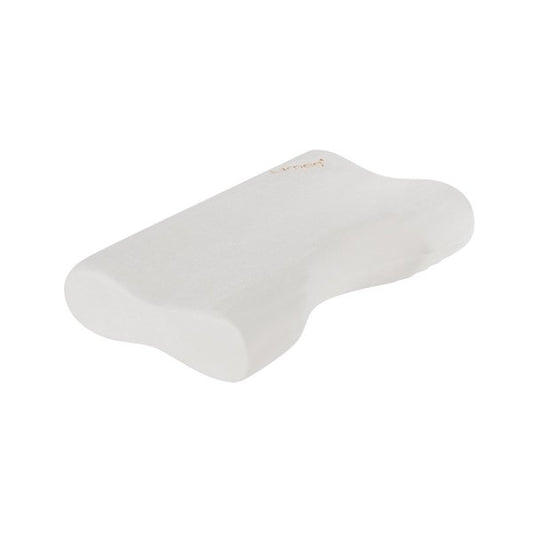
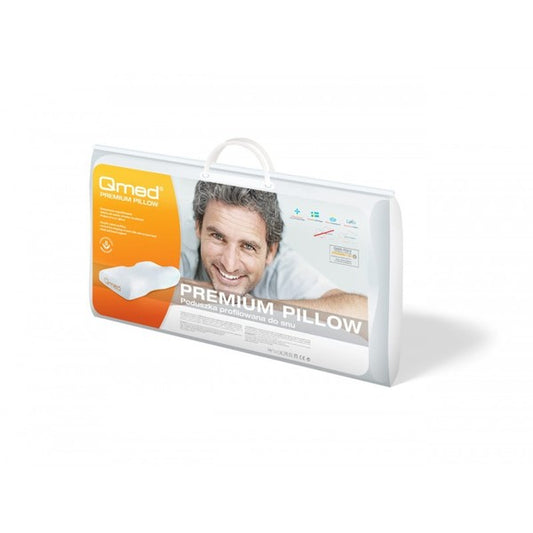
Qmed Premium Orthopedic Memory Foam Pillow
Regular price 61,36 €Regular price -
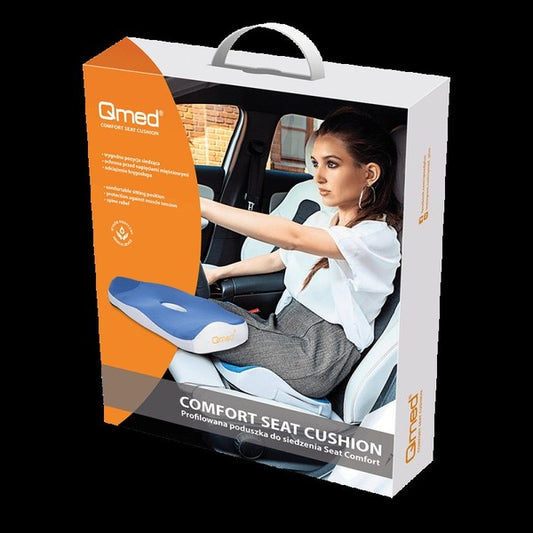
Anti-decubitus pillow Qmed Comfort
Regular price 49,00 €Regular price -
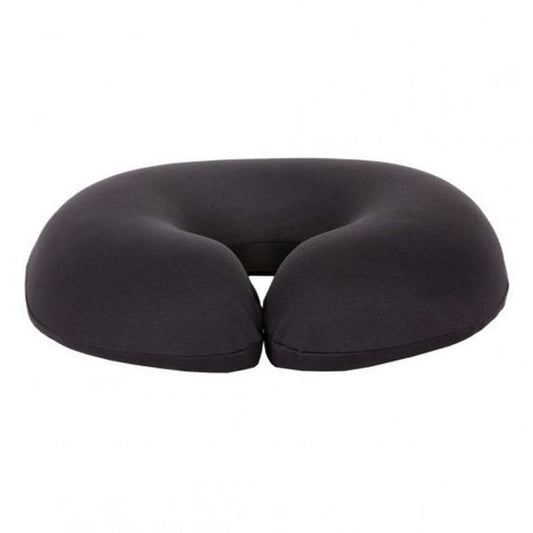
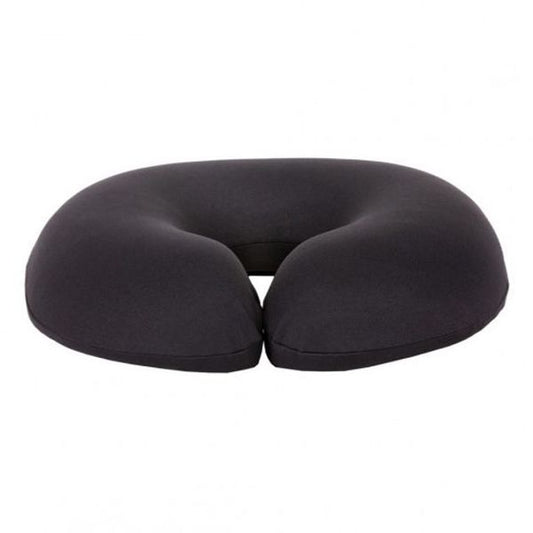
Anti-decubitus neck pillow
Regular price 21,99 €Regular price -
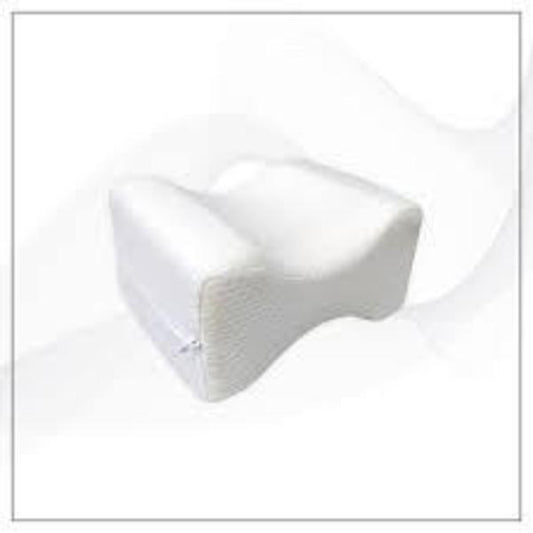
Aloe Knee Pillow
Regular price 30,68 €Regular price -
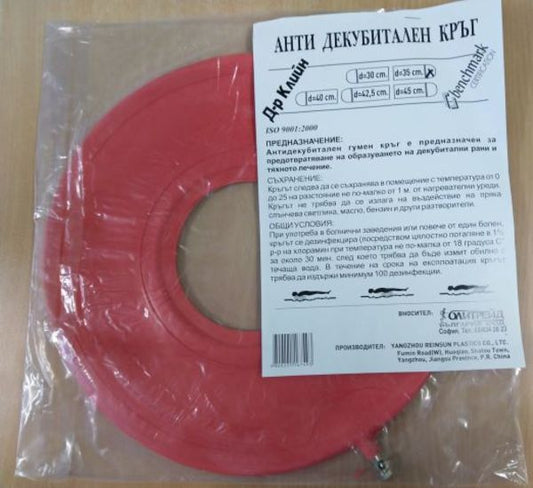
Anti-decubitus rubber ring
Regular price 21,99 €Regular price -
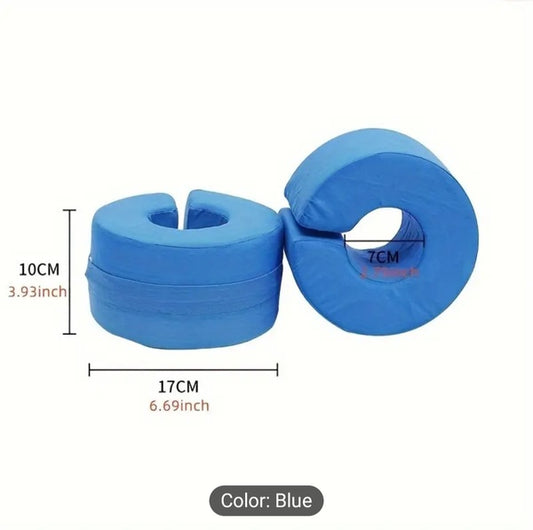
Anti-decubitus ring cushion for heels and palms
Regular price 22,00 €Regular price -
Orthopedic Hemorrhoid Cushion with Center Hole MN509
Regular price 35,00 €Regular price -
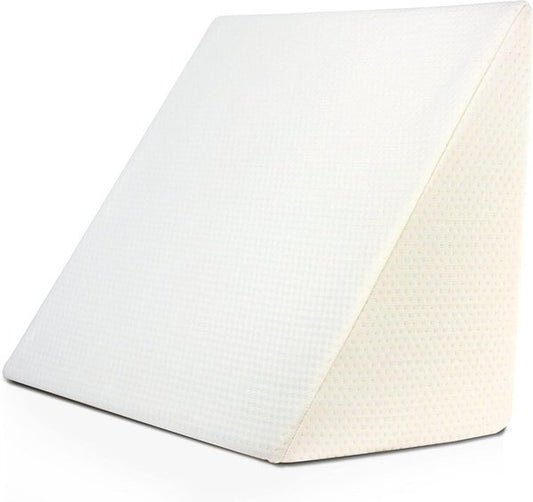
Cushion for Easy Turning of Bedridden Patients
Regular price 48,57 €Regular price -
Open Orthopedic Hemorrhoid Cushion MN510
Regular price 35,00 €Regular price -
Body Positioning Cushion
Regular price 43,46 €Regular price












How to choose the right cushion
Seating or positioning
First decide whether the cushion is needed for a wheelchair and prolonged sitting or for support and repositioning in bed.
Mobility and duration
Consider how long the person sits or lies down, whether they can reposition independently and whether sensitive areas are present.
Size and compatibility
Compare the dimensions with the wheelchair, chair or body area that requires support.
Material and care
Check the foam type, cover, cleaning method and manufacturer instructions for correct use.
Which type is suitable?
For seating and wheelchairs
For pressure redistribution and support during prolonged sitting. Dimensions must suit both the seat and the user.
For positioning in bed
For supporting a specific area, separating limbs or assisting repositioning for a person confined to bed.
For the head, neck and sleep
Orthopaedic designs for head and neck support, a comfortable sleeping position and specific needs such as snoring.
The right cushion is one part of an overall care plan. It does not replace regular skin checks, appropriate repositioning or clinical assessment when redness, broken skin or a wound is present.
Not sure which type of cushion is required?
Tell us whether it will be used for sitting or lying down, the person’s mobility and approximate weight, and which area needs support.
Need quick assistance? Call 0888 987 922
- Free consultation
- Reply within one business day
- Assistance with NHIF information
Pressure-relieving cushions through the NHIF
A pressure-relieving cushion may be supplied when the relevant medical indications and documentation requirements are met. A medical protocol from a specialist medical committee or a TELK/NELK expert decision is generally required. The specific product depends on the prescription, individual needs and current NHIF specification.
Frequently asked questions
What is the difference between a seating and a positioning cushion?
Seating cushions are placed on a chair or wheelchair and support pressure redistribution. Positioning products support specific body areas and assist repositioning in bed.
How do I choose the right wheelchair cushion size?
Measure the usable seat width and depth. The cushion should remain stable without interfering with posture or safe wheelchair use.
Is every cushion suitable when a wound already exists?
No. When redness, broken skin or a wound is present, the choice should be based on clinical assessment and an individual care plan.
How often should the person be repositioned?
Frequency is individual and depends on risk, condition and clinical advice. A cushion does not remove the need for regular pressure relief.
How should the cushion be cleaned?
Follow the manufacturer’s instructions. Check whether the cover is removable and how the foam, outer surface and contact areas should be cleaned.
Can a pressure-relieving cushion be obtained through the Bulgarian NHIF?
Yes, when the medical and administrative requirements are met. The specific model must correspond to the prescribed product and current NHIF specification.