
Collection: Столове за тоалетна и баня с колела
Разгледайте столове за тоалетна и баня с колела, предназначени за по-лесно и безопасно придвижване на хора с ограничена подвижност. Предлагаме модели с малки колела за придружител и самозадвижващи се столове с рингови колела, включително сгъваеми, регулируеми и подсилени варианти.

-
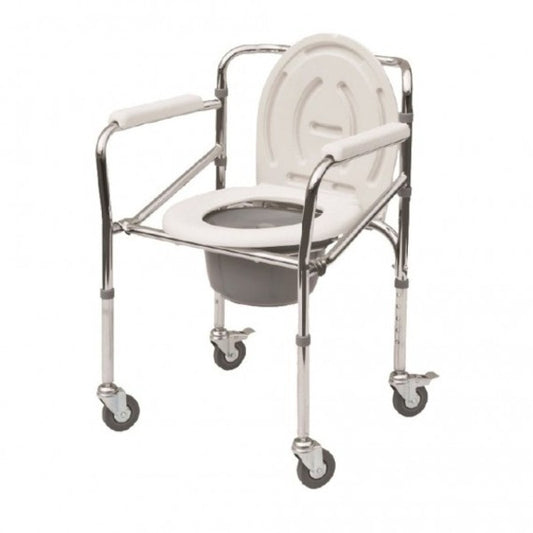
Moretti Komoda RC320-43 Folding Commode Chair with Castors – up to 120 kg
Regular price 228,00 €Regular price -
Moretti ONDA HD RH840-50 Bariatric Shower and Commode Chair
Regular price 576,00 €Regular price -
Combined Toilet and Shower Chair with Self-Propelling Wheels Moretti RS847
Regular price 528,00 €Regular price -
Combined toilet and shower chair with wheels – foldable and adjustable
Regular price 115,00 €Regular price -
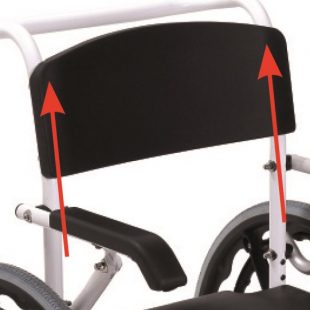
Commode and Shower Chair up to 200 kg – Reinforced Model
Regular price 245,00 €Regular price168,70 €Sale price 245,00 € -
Combined Toilet and Shower Chair TSU 10585 SV
Regular price 170,00 €Regular price -
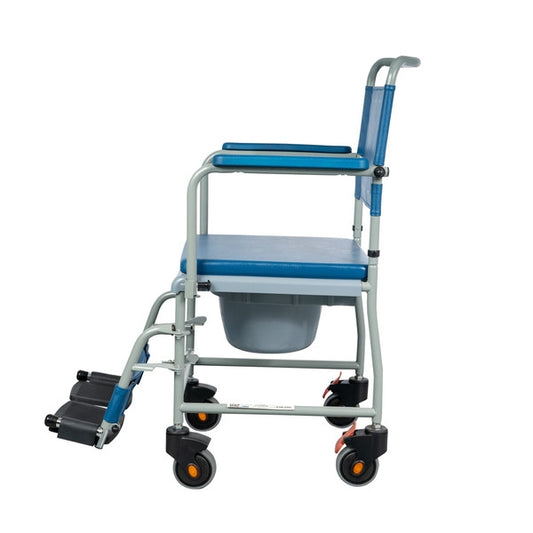
Combined Shower Commode Chair Mobiak CYAN
Regular price 220,00 €Regular price -
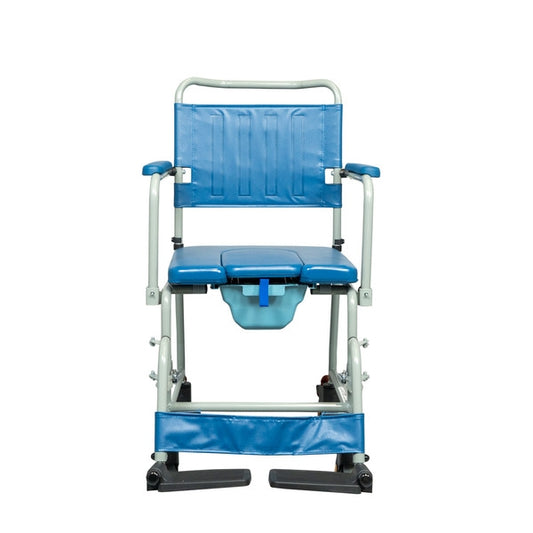
Combined Toilet and Shower Chair Mobiak CYAN U-Shape
Regular price 230,00 €Regular price






How to choose a wheeled commode and shower chair
Small wheels or hand rims
Small wheels are attendant-propelled, while rear hand rims allow self-propelling when the user has suitable strength and control.
Brakes and transfers
Check brake access, removable armrests and footrests, and whether transfers to a bed or toilet can be completed safely.
Overall width and manoeuvring
Compare the chair dimensions with doorways, corridors, the bathroom and the space around the toilet.
Weight and capacity
Check maximum user weight, the chair’s own weight and whether it must fold or travel in a vehicle.
Not sure which wheeled chair to choose?
Tell us who will propel it, the user’s weight, doorway widths and transfer method. We will compare suitable models.
Need quick assistance? Call 0888 987 922
- Free consultation
- Reply within one business day
- Assistance with NHIF information
Wheeled chairs and NHIF options
Funding depends on the specific product and current conditions. We can provide current information about documents and procedure.
Frequently asked questions
What is the difference between small wheels and hand rims?
Chairs with small wheels are pushed by an attendant. Rear hand rims allow self-propelling when the user has the necessary strength and control.
Do all wheels need brakes?
Follow the design and instructions for the specific model. Before sitting, standing or transferring, the chair must be secured as instructed.
Will the chair fit through the bathroom door?
Measure the narrowest doorway and compare it with the chair’s overall width, allowing a safe clearance.
Can the chair be used over the toilet?
Many models can, but check height, space between wheels and compatibility with the specific toilet.
Do wheeled models fold?
Some models fold or dismantle, while others do not. Check their transport dimensions and weight.
How should the chair be cleaned?
Follow the manufacturer’s instructions. The bucket and contact surfaces should be cleaned regularly with suitable products that do not damage the materials.